Overview of Jim McMahon’s Health
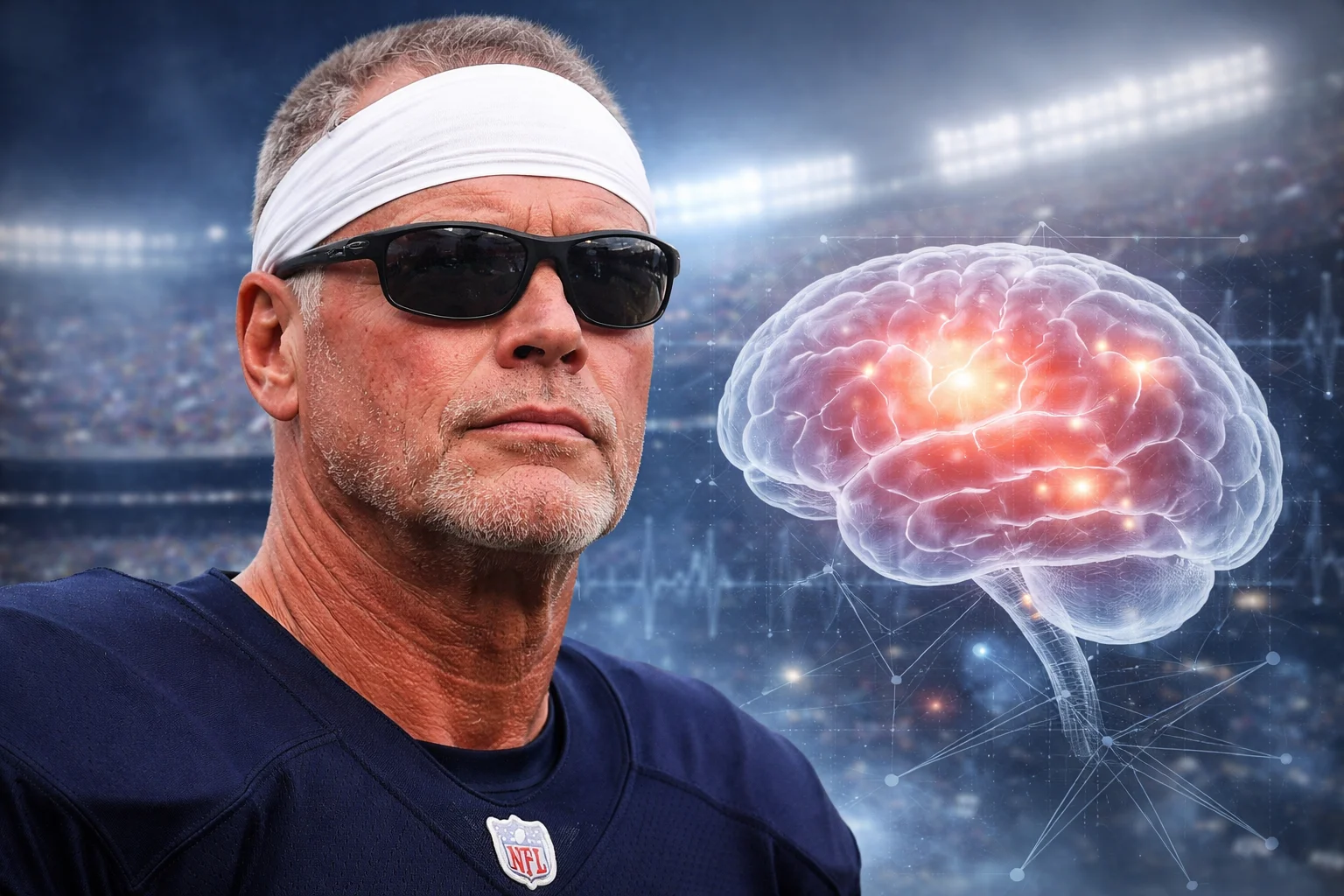
Jim McMahon’s health has been a topic of public interest for many years, primarily due to his candid discussions about the long-term effects of his NFL career. Having sustained numerous concussions and injuries throughout his time in professional football, McMahon has faced a series of chronic health issues, most notably CTE—a neurodegenerative disease linked to repeated head injuries.
See also Leanne Goggins: A Quiet Life Behind a Famous Name
Chronic Health Issues
Understanding CTE and Its Symptoms
Chronic Traumatic Encephalopathy (CTE) is a progressive brain condition found in individuals who have sustained repeated head traumas. Symptoms often include memory loss, confusion, impaired judgment, and dementia, significantly impacting daily life. McMahon has been vocal about his struggles with these symptoms, which have affected his cognitive functions and overall well-being.
Key Symptoms of CTE:
- Memory loss and confusion
- Difficulty concentrating and organizing thoughts
- Emotional instability and impulsive behavior
- Dementia-like symptoms
History of Concussions and Brain Injuries
During his career, McMahon suffered numerous concussions, each contributing to his current health challenges. These injuries were not always treated with the seriousness they deserved, reflecting the era’s lack of understanding and protocols regarding player safety. The cumulative effects of these concussions have led to significant health problems post-retirement.
Treatment and Management
Medical Treatments and Therapies
Jim McMahon has pursued various treatments to manage his symptoms and improve his quality of life. These include traditional medical approaches such as medication and therapy sessions designed to alleviate the cognitive and emotional symptoms of CTE.
Alternative Therapies and Lifestyle Changes
In addition to conventional treatments, McMahon has explored alternative therapies. These include:
- Hyperbaric Oxygen Therapy (HBOT): A treatment that involves breathing pure oxygen in a pressurized environment, which may help reduce inflammation and promote healing in brain tissues.
- CBD and Medical Marijuana: Used for their potential neuroprotective effects and ability to alleviate pain and anxiety.
- Diet and Exercise: Emphasizing a balanced diet and regular physical activity to maintain overall health.
Impact on Sports Career
Changes in Performance and Public Life
The health issues McMahon faces have had a lasting impact on his public life and sports career. His performance was often hindered by injuries, affecting his consistency on the field. In retirement, these health challenges have shaped his public persona, with McMahon becoming an advocate for player health and safety.
Influence on NFL Health Policies
Jim McMahon’s experiences have contributed to a broader dialogue about player safety in the NFL. His advocacy has been instrumental in pushing for improved health protocols, including:
- Enhanced Concussion Protocols: More rigorous assessment and management of head injuries during games.
- Long-term Health Monitoring: Programs to track the health of retired players, focusing on early detection and intervention for brain-related issues.
Personal Reflections and Public Statements
Interviews and Quotes
In various interviews, McMahon has opened up about his health struggles, providing insights into the daily challenges he faces. His candidness has helped raise awareness about the realities of living with CTE and the importance of addressing mental health in retired athletes.
Notable Quote: “It’s like a constant fog, and you just have to fight through it every day. But I’m not one to give up; I’m finding ways to live with it.”
Personal Anecdotes
McMahon often shares personal stories that highlight the impact of his health on family life and personal relationships. These anecdotes serve as a powerful reminder of the human side of professional sports and the sacrifices athletes make.
Future Health Projections and Legacy
Current Health Status
As of 2023, Jim McMahon continues to manage his health conditions with a combination of medical and alternative therapies. While his symptoms persist, his proactive approach to health management has enabled him to maintain a relatively active lifestyle.
Jim McMahon’s Legacy in Sports Health Advocacy
Jim McMahon’s legacy extends beyond his achievements on the football field. His outspoken advocacy for player health has sparked meaningful changes within the NFL, emphasizing the importance of safety and health monitoring for current and former players.
Case Study: The Broader Implications for NFL Players
Jim McMahon’s health journey is reflective of a broader issue facing many retired NFL players. Studies have shown that professional football players are at a heightened risk for CTE and other brain-related conditions due to the nature of the sport. This case study examines the implications for player health and the ongoing efforts to improve safety protocols.
Comparison Table: Traditional vs. Alternative Treatments for CTE
| Treatment Type | Description | Pros | Cons |
|---|---|---|---|
| Traditional | Medication and cognitive therapy | Scientifically validated, widely used | Side effects, may not address all symptoms |
| Alternative | HBOT, CBD, lifestyle changes | Holistic approach, fewer side effects | Limited scientific evidence, varying results |
FAQ
What health issues does Jim McMahon have? Jim McMahon primarily struggles with symptoms associated with Chronic Traumatic Encephalopathy (CTE), including memory loss, cognitive impairments, and emotional instability.
How has Jim McMahon’s health affected his life? His health issues have significantly impacted his daily life, affecting his cognitive functions and emotional well-being. They have also spurred his advocacy for better player health policies in the NFL.
What treatments has Jim McMahon tried for CTE? McMahon has explored both traditional treatments such as medication and therapy, as well as alternative therapies like Hyperbaric Oxygen Therapy and CBD.
Is Jim McMahon involved in health advocacy? Yes, Jim McMahon is a vocal advocate for player health and safety, pushing for improved health protocols in the NFL and raising awareness about the long-term effects of concussions.
What is Jim McMahon’s current health status as of 2023? As of 2023, McMahon continues to manage his health conditions through a combination of medical and alternative treatments, maintaining a proactive approach to his well-being.
How does CTE affect retired athletes like Jim McMahon? CTE can lead to severe cognitive and emotional challenges, impacting daily life and mental health. It underscores the need for enhanced safety measures and health monitoring for athletes.
What impact has Jim McMahon had on NFL health policies? His advocacy has been instrumental in advancing discussions around player safety, contributing to enhanced concussion protocols and long-term health monitoring programs in the NFL.
Conclusion
Jim McMahon’s health journey offers a profound insight into the challenges faced by athletes beyond their professional careers. His story not only highlights the severe impact of sports-related injuries but also underscores the importance of advocacy and improvements in health protocols. As the NFL continues to evolve in its approach to player safety, McMahon’s legacy will remain a testament to the need for ongoing dialogue and action in protecting athlete health. For those interested in the intersection of sports and health, McMahon’s experiences serve as a crucial reminder of the lasting effects of a career in professional football.