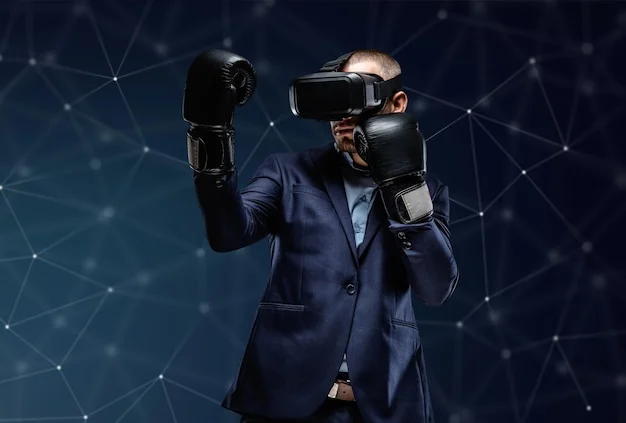
In an era where smartphones have become ubiquitous, tech giants are already envisioning and crafting a future that transcends these handheld devices. As the digital world rapidly evolves, companies like Apple, Google, Microsoft, and Amazon are strategically investing in groundbreaking innovations that promise to redefine how we interact with technology. This shift is not just about technological evolution but also about heralding a new era of connectivity, intelligence, and interactivity. This article delves into the strategic visions of these leading tech firms and explores the emerging technologies poised to replace or complement smartphones.
The Evolution of Smartphone Technology
Smartphones have transformed from luxury gadgets to indispensable tools in our daily lives. With over 3.5 billion users worldwide, they have become central to communication, productivity, and entertainment. However, the smartphone market has reached a saturation point, with incremental enhancements rather than groundbreaking innovations. This stagnation has prompted tech giants to explore what lies beyond the horizon.
Pioneering Visions: Tech Giants Leading the Charge
Apple’s Vision
Apple Inc., renowned for its innovation, is venturing into augmented reality (AR) and wearable technology. The rumored Apple Glasses and advancements in the Apple Watch signal a significant shift towards wearable technology as a primary interface. Apple’s strategic investments in ARKit and healthcare technologies showcase its commitment to a post-smartphone ecosystem.
Google’s Innovations
Google is at the forefront of artificial intelligence (AI) and the Internet of Things (IoT). The company’s development of Google Assistant and its investment in smart home devices like Nest illustrate its vision of an interconnected future. Google’s ARCore and initiatives in quantum computing further highlight its commitment to pioneering new technological landscapes.
Microsoft’s Strategy
Microsoft is leveraging its strengths in cloud computing and AI. The company’s focus on mixed reality through HoloLens and its Azure platform underscores a strategic shift towards enterprise solutions that blend the digital and physical worlds. Microsoft’s emphasis on AI-driven productivity tools reflects a broader vision of integrated digital experiences.
Amazon’s Future Plans
Amazon continues to expand its influence through AI and IoT. The evolution of Alexa and the proliferation of smart home devices signify Amazon’s dedication to voice-controlled environments. Furthermore, Amazon’s ventures into autonomous technology and cloud services indicate a diversified approach to a future beyond traditional mobile devices.
Emerging Technologies Redefining Connectivity
Augmented and Virtual Reality
AR and VR are at the forefront of technological innovation, offering immersive experiences that could potentially replace smartphones as primary interaction devices. These technologies have applications in gaming, education, healthcare, and beyond, providing seamless integration between the virtual and physical worlds.
Artificial Intelligence Advancements
AI is transforming user interactions through intelligent assistants, predictive analytics, and personalized experiences. As AI becomes more sophisticated, it will play a critical role in managing and interpreting the vast amounts of data generated by interconnected devices.
The Internet of Things
The IoT landscape is expanding, with smart devices becoming integral parts of our homes and cities. By creating a network of interconnected objects, IoT promises a future where technology adapts to our needs seamlessly, reducing our reliance on smartphones as central hubs.
5G and Enhanced Connectivity
5G technology is set to revolutionize connectivity, offering faster speeds and more reliable connections. This enhanced infrastructure will enable the proliferation of new device ecosystems and support the growth of data-intensive applications like AR, VR, and IoT.
Opportunities and Challenges in the Post-Smartphone Era
While the potential of these emerging technologies is vast, several challenges remain. Consumer adoption barriers, such as privacy concerns and the learning curve associated with new devices, must be addressed. Additionally, regulatory and ethical considerations will play a crucial role in shaping the future landscape of technology.
Moreover, the environmental impact of producing and disposing of new technologies is a growing concern. Tech giants are increasingly focusing on sustainability initiatives to mitigate these effects, incorporating eco-friendly practices and materials into their designs.
Conclusion: A Glimpse into the Future
As tech giants continue to innovate and invest in a future beyond smartphones, the possibilities are both exciting and transformative. The convergence of AR, VR, AI, IoT, and 5G is set to redefine how we interact with the world around us. The journey towards this future is fraught with challenges, but the potential rewards in terms of connectivity, productivity, and user experience are immense. As we stand on the brink of this new technological frontier, one thing is clear: the future holds endless possibilities for those ready to embrace change.
Frequently Asked Questions
- What technologies are expected to replace smartphones? Emerging technologies like augmented reality, virtual reality, wearable devices, and IoT are expected to play a significant role in replacing or complementing smartphones.
- How are tech giants preparing for a post-smartphone world? Companies like Apple, Google, Microsoft, and Amazon are investing in technologies such as AI, AR, VR, and IoT to build interconnected ecosystems that extend beyond traditional mobile devices.
- What are the main challenges in moving beyond smartphones? Consumer adoption barriers, regulatory concerns, ethical considerations, and environmental impacts are some of the challenges facing the transition to a post-smartphone era.
- Will smartphones become obsolete? While smartphones may not become entirely obsolete, their role is expected to diminish as new technologies offer enhanced and more integrated experiences.
- How will 5G technology impact future tech devices? 5G will provide the necessary infrastructure for faster, more reliable connections, enabling the growth of data-intensive applications and new device ecosystems.