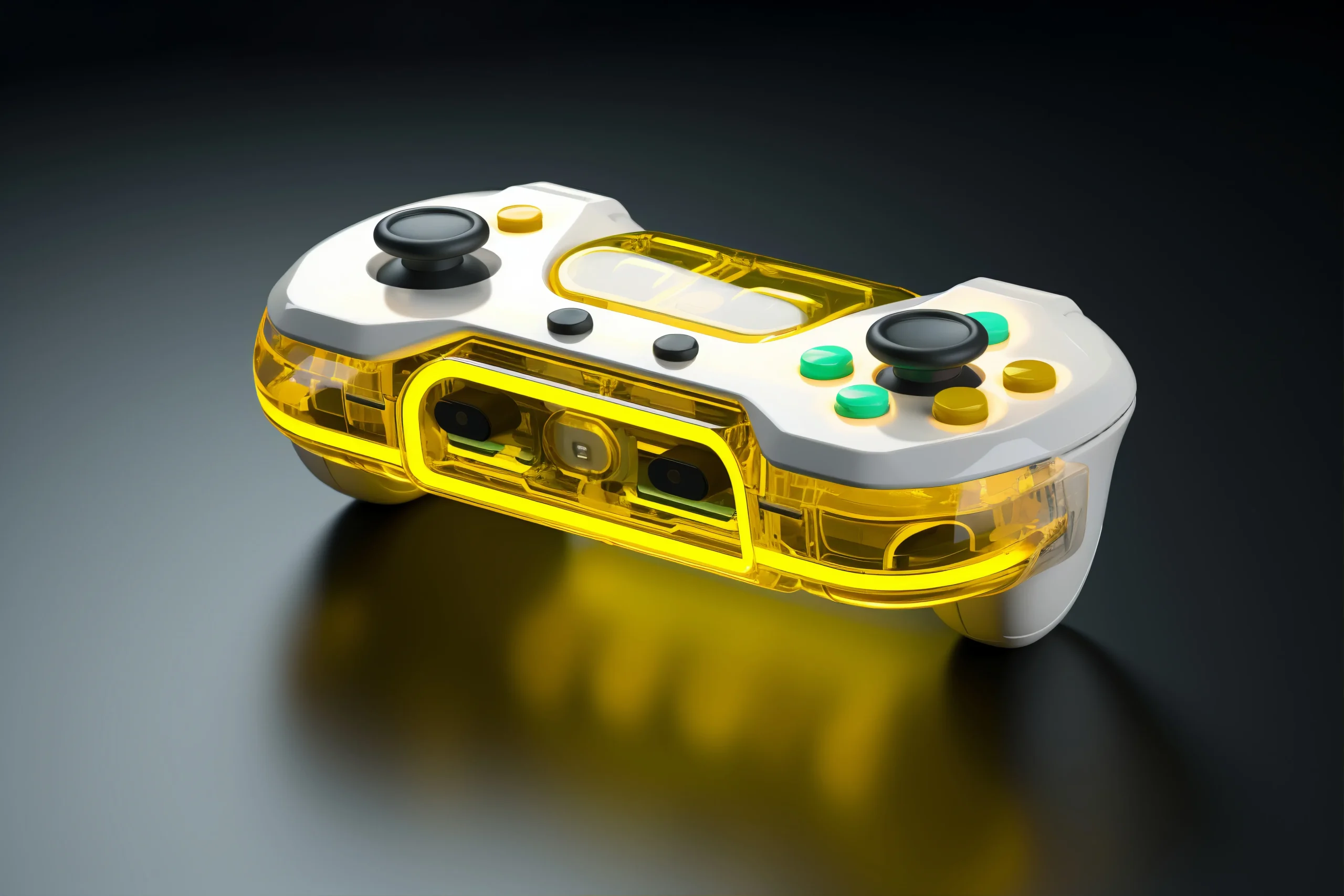
Gaming has evolved far beyond just graphics and storylines. Today, the real difference between a frustrating session and a smooth, immersive experience often comes down to something most players overlook—connectivity. Have you ever pressed a button and felt a slight delay? Or struggled with a controller that just wouldn’t behave the same way across devices? That’s where connector hssgamepad quietly changes everything.
Let’s break it down in a way that actually makes sense and helps you decide whether this technology deserves a place in your setup.
Why Connectivity Is the Real Game-Changer
Think about the last time your controls didn’t respond instantly. Maybe your character moved a fraction of a second too late, or your aim felt slightly off. Those small inconsistencies add up quickly, especially in fast-paced games.
Modern gaming spans multiple platforms—PCs, smartphones, consoles, and even cloud services. But here’s the problem: these platforms don’t always “speak the same language” when it comes to controllers. That mismatch is exactly where connectivity solutions step in.
So what makes a system like this different from a regular controller connection? The answer lies in how it translates and stabilizes your inputs.
See also Connectivity Issues HSSGamepad: How to Fix and Prevent Them
What Is This Technology, Really?
At its core, this system acts like a smart bridge between your controller and your device. Instead of simply passing button presses through, it interprets, adjusts, and standardizes them before they reach your game.
Why does that matter? Because not all controllers are built the same, and not all games expect the same input structure. Without a translation layer, inconsistencies are almost guaranteed.
Imagine plugging in a controller and having it work perfectly across every platform without needing constant adjustments. That’s the promise here—and when implemented well, it delivers.
How It Works Behind the Scenes
Let’s keep this simple. When you press a button or move a joystick, several things happen almost instantly:
First, the system captures the raw input signal from your controller. These signals can vary depending on the device and connection type—USB, Bluetooth, or even virtual inputs.
Next, it cleans and standardizes those signals. This step fixes common issues like incorrect button mapping, inconsistent sensitivity, or reversed axes.
Then comes the smart part. The system adapts those inputs based on the platform or game you’re using. Instead of forcing a one-size-fits-all approach, it adjusts dynamically.
Finally, the processed input is delivered to your game in a format it fully understands. The result? Smoother, more predictable control.
What Makes It Worth Using?
You might be wondering—does this actually make a noticeable difference? For many players, the answer is yes.
One of the biggest advantages is consistency. Your controls feel the same whether you’re playing on a phone, a PC, or an emulator. That kind of reliability is hard to achieve with standard drivers alone.
Another benefit is reduced input issues. Problems like dead zones, unresponsive triggers, or swapped buttons are minimized because the system actively corrects them.
There’s also the flexibility factor. You’re no longer locked into one controller for one platform. Instead, you can use what you prefer without worrying about compatibility.
And then there’s performance. While some people worry about added delay, modern implementations are designed to process inputs so quickly that the difference is practically unnoticeable—often improving responsiveness rather than hurting it.
Where It Really Shines in Real Life
Not every gamer needs advanced connectivity solutions. But in certain situations, the difference becomes obvious.
Take mobile gaming, for example. Touch controls can feel limiting, and pairing a controller doesn’t always work smoothly. A system like this ensures stable connections and proper input behavior.
Now consider PC gaming. With so many titles supporting controllers differently, having a consistent input layer can save a lot of frustration.
Emulation is another area where this technology excels. Older games were designed for entirely different hardware, so modern controllers don’t always map correctly. A translation layer bridges that gap.
And what about cloud gaming? Since your inputs travel over the internet, consistency becomes even more important. A reliable connector helps maintain that stability.
Common Problems It Solves
Let’s get practical. What issues does this actually fix?
One of the most common problems is mismatched controls. Ever had your buttons swapped or triggers not register properly? That’s a classic compatibility issue.
Another is connection instability. Random disconnects or lag spikes can ruin gameplay, especially in competitive scenarios.
There’s also the issue of inconsistent sensitivity. Analog sticks might feel too loose in one game and too stiff in another. Proper calibration helps smooth that out.
Even multi-controller setups benefit. Instead of conflicts between devices, inputs are handled more intelligently.
All of these improvements come together to create a more predictable experience—something every gamer values, whether they realize it or not.
Setting It Up Without the Headache
You might expect something this advanced to be complicated. Surprisingly, it’s often straightforward.
Most setups follow a simple process: connect your controller, pair it with your device, and let the system handle the rest. Some configurations allow for deeper customization, but they’re usually optional.
Want to tweak sensitivity or remap buttons? You can. Prefer a plug-and-play experience? That works too.
The key is understanding your own needs. Are you switching between platforms often? Do you use multiple controllers? Answering these questions helps you get the most out of the system.
Looking Ahead: The Future of Controller Connectivity
Gaming isn’t slowing down—it’s becoming more connected than ever. With cross-platform play, cloud gaming, and hybrid devices on the rise, input consistency is only going to matter more.
We’re already seeing trends toward smarter calibration, adaptive profiles, and improved accessibility. These systems are evolving to meet the needs of a wider range of players, not just enthusiasts.
So where does that leave the average gamer? Likely benefiting from better technology without even thinking about it.
Final Thoughts
If you stick to one platform with a standard controller, you might never feel the need for something like connector hssgamepad. But the moment you step outside that comfort zone—switching devices, experimenting with setups, or chasing smoother performance—the difference becomes clear.