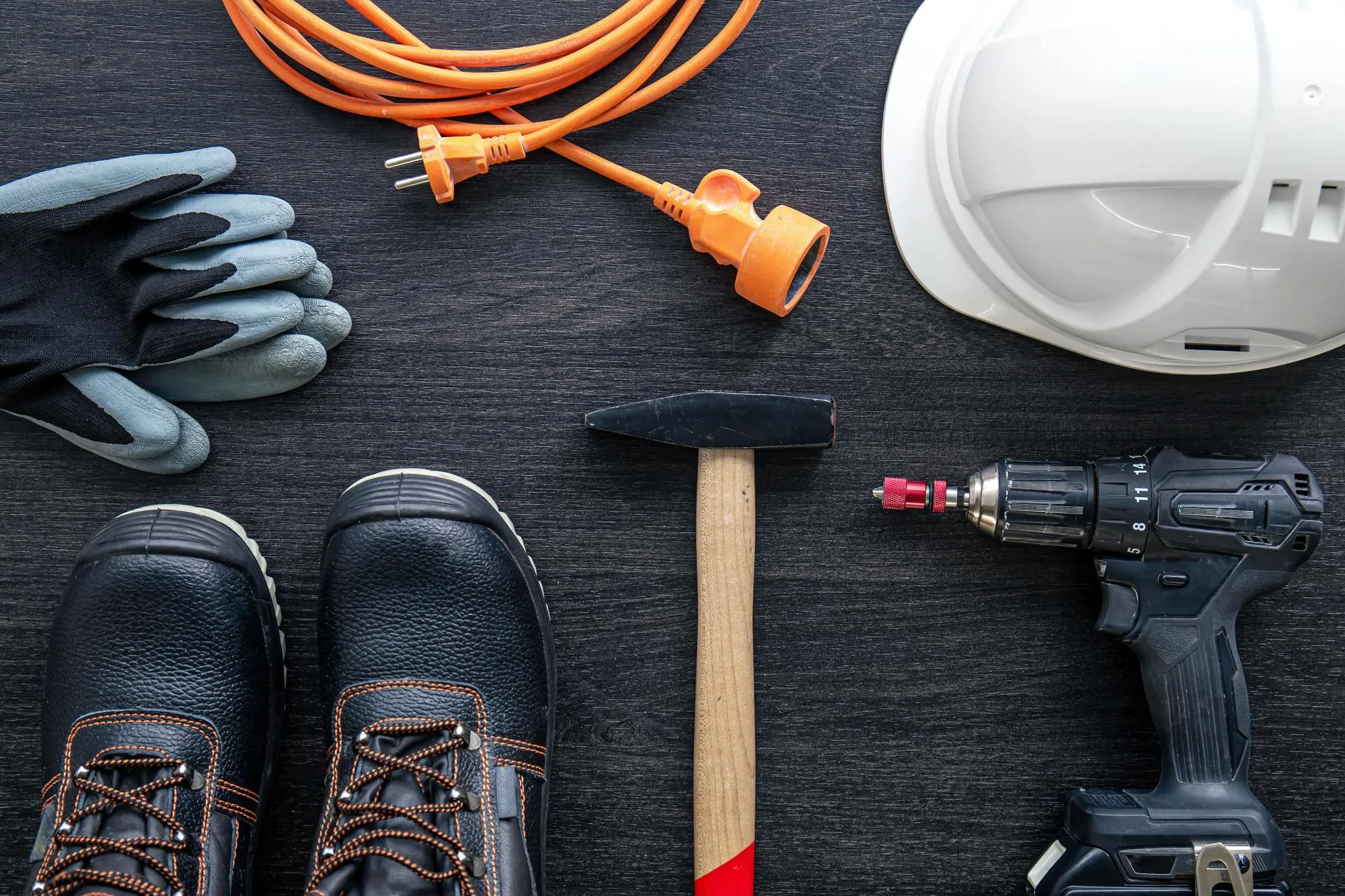
When was the last time you considered the impact of safety equipment on your daily work routine? Whether you’re on a bustling construction site, navigating the intricacies of an industrial facility, or ensuring safety at home, the role of safety equipment cannot be overstated. These tools not only protect us from potential hazards but also ensure compliance with safety standards and regulations. Let’s explore the various types of safety equipment and why they’re indispensable in today’s working environments.
The Importance of Safety Equipment
Safety equipment serves as the first line of defense against workplace injuries. From preventing minor injuries to averting major accidents, these tools are a fundamental component of occupational safety. For instance, wearing a hard hat can protect against head injuries on a construction site, while safety goggles shield your eyes from harmful substances in a laboratory. But why is there such a strong emphasis on using the right equipment? Simply put, it reduces the risk of accidents and creates a safer environment for everyone involved.
Types of Safety Equipment
There is a vast array of safety equipment available, each designed to address specific hazards. Understanding these categories helps in choosing the right tools for the job. Here are some key types:
- Personal Protective Equipment (PPE): This includes items like helmets, gloves, and respirators that protect individual workers. PPE is essential for tasks involving physical, chemical, or biological hazards.
- Fire Safety Equipment: Fire extinguishers, fire blankets, and smoke detectors fall under this category. They play a crucial role in both preventing fires and mitigating damage when fires occur.
- Electrical Safety Tools: Insulated tools, voltage detectors, and circuit breakers help protect against electrical hazards, which are a common cause of workplace injuries.
Each of these categories is crucial in different settings. For example, PPE is vital in construction and healthcare, while electrical safety tools are indispensable for electricians and technicians.
Choosing the Right Safety Equipment
How do you determine which safety equipment is right for your needs? The first step is conducting a thorough risk assessment. This involves identifying potential hazards and understanding their implications. Once you’ve mapped out the risks, selecting the appropriate equipment becomes a straightforward task. Consider factors such as the fit, durability, and compliance with safety standards when making your choice. Investing in quality equipment ensures not only compliance but also longevity and reliability.
Benefits of Quality Safety Equipment
What are the advantages of investing in high-quality safety equipment? The benefits extend beyond mere protection. Reliable equipment can lead to increased productivity as workers feel secure and focused on their tasks. Moreover, using top-tier safety gear can significantly reduce the likelihood of accidents, thereby minimizing the associated costs of medical care and downtime. It’s a proactive approach that pays dividends in the long run.
Innovations in Safety Equipment
Did you know that the safety equipment industry is constantly evolving with new innovations? From eco-friendly materials to smart safety gear, technology is reshaping how we approach occupational safety. Eco-friendly options cater to the growing demand for sustainable practices, while smart gear integrates technology for enhanced protection. Innovations like these not only improve safety but also enhance the user experience, making safety equipment more effective and easier to use.
FAQs About Safety Equipment
1. What is the most critical piece of safety equipment?
The most crucial piece of safety equipment varies depending on the industry and specific hazards present. However, personal protective equipment (PPE) is generally considered essential across most sectors.
2. How often should safety equipment be inspected?
Regular inspections are vital to ensure the effectiveness of safety equipment. The frequency of these checks depends on the type of equipment and the manufacturer’s recommendations, but generally, monthly inspections are advised.
3. Are there any eco-friendly safety equipment options available?
Yes, there are eco-friendly alternatives for many types of safety gear. These products are designed to have a minimal environmental impact while maintaining high safety standards.
4. How can I ensure my safety equipment is compliant with regulations?
To ensure compliance, always purchase equipment that meets industry standards and regulations such as those set by OSHA. It’s also wise to keep abreast of any changes in safety laws that might affect your equipment requirements.
5. What role does training play in the effective use of safety equipment?
Training is crucial for ensuring that safety equipment is used correctly and effectively. Proper training programs help workers understand how to use equipment safely and respond appropriately in case of an emergency.
Conclusion
Safety equipment is more than just a precaution—it’s a necessity that safeguards health and enhances productivity. From personal protective gear to cutting-edge innovations, these tools are integral to any safe working environment. As industries continue to evolve, so too will the nature of safety equipment, making it essential to stay informed and proactive in their implementation. Prioritize safety, and the benefits will surely follow. Ready to enhance your workplace safety? Explore the latest safety equipment options and make an informed investment today.