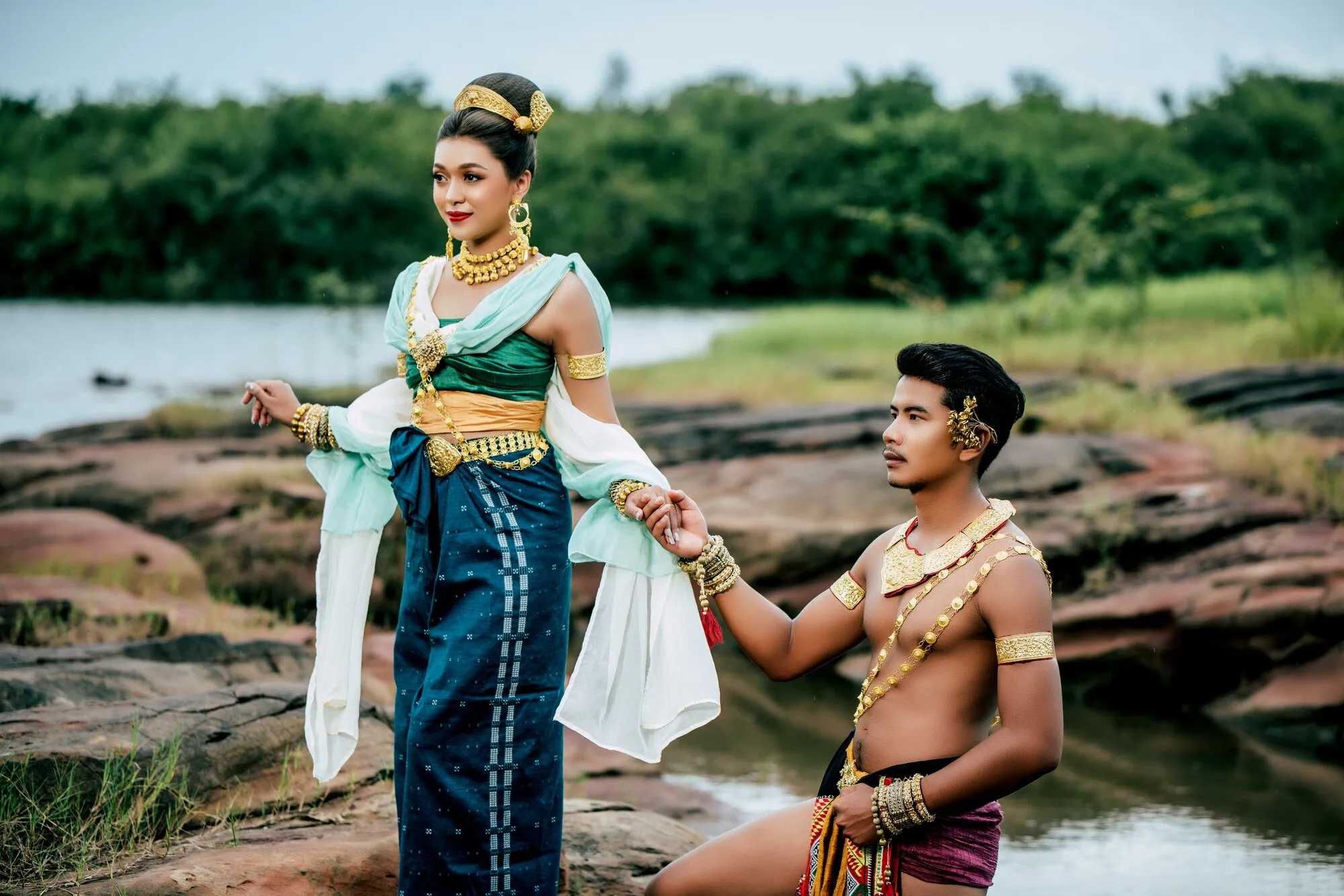
Indonesia, an archipelago with over 17,000 islands, boasts a cultural diversity that is both fascinating and complex. This Indonesian culture guide seeks to unravel the rich tapestry of traditions and customs that define this Southeast Asian nation. Whether you’re planning a visit, moving there, or simply curious about its cultural fabric, understanding Indonesian culture is crucial to appreciating the warmth and hospitality of its people.
Exploring Indonesian Traditions
What makes Indonesian culture so unique? One might attribute it to the country’s diverse ethnic groups, each contributing its own customs and traditions. The Javanese, Sundanese, and Balinese are just a few of the major ethnic groups, each with distinct cultural practices. For instance, the Javanese are known for their refined court dances and shadow puppetry, known as Wayang Kulit, which are deeply embedded in their cultural identity. In contrast, the Balinese are celebrated for their vibrant ceremonies and intricate art forms.
The influence of religion is also profound in Indonesia, where Islam, Hinduism, Christianity, and Buddhism coexist. This religious diversity shapes many of the country’s cultural practices. For example, the Hindu Balinese hold numerous ceremonies throughout the year, such as the Ngaben cremation ritual, which is a testament to their belief in reincarnation.
Understanding Indonesian Customs
Indonesian customs often reflect a deep respect for community and family. A common practice is the concept of gotong royong, or mutual assistance, where communities come together to help one another, especially in rural areas. This spirit of cooperation underscores many aspects of daily life.
When it comes to etiquette, Indonesians value politeness and modesty. Greeting someone with a smile and a slight bow is customary. When visiting a home, it’s polite to remove your shoes as a sign of respect. Additionally, using the right hand for eating and handing over items is important, as the left hand is considered impolite in many contexts.
Festivals and Celebrations
Festivals in Indonesia are colorful expressions of its cultural and religious diversity. One of the most renowned is the Bali Arts Festival, which showcases traditional Balinese music, dance, and art. Another significant event is the Rambu Solo funeral ceremony in Toraja, a vibrant and elaborate festival that pays homage to the deceased.
Islamic festivals such as Hari Raya Idul Fitri mark the end of Ramadan and are celebrated with feasts and family gatherings. The Chinese New Year, or Imlek, is also celebrated with great enthusiasm, especially in cities with significant Chinese communities like Jakarta and Medan.
The Role of Food in Indonesian Culture
Food is an integral part of Indonesian culture, with each region offering its own culinary specialties. Nasi Goreng (fried rice) and Sate (skewered and grilled meat) are beloved across the country. Meanwhile, Rendang, a spicy beef dish from Sumatra, and Gado-Gado, a vegetable salad with peanut sauce, highlight the diversity of Indonesian cuisine.
Indonesian food culture also emphasizes communal dining, where meals are shared among family and friends. This practice reinforces the cultural value of togetherness and hospitality.
Embracing Cultural Diversity
Indonesia’s vast cultural diversity can be overwhelming, yet it offers a unique opportunity to experience a multitude of traditions within a single nation. From the tranquil beaches of Bali to the bustling streets of Jakarta, each locale offers a different cultural experience.
In cities like Yogyakarta, known for its rich history and art, visitors can explore ancient temples and participate in traditional craft workshops. Meanwhile, in the highlands of Papua, one might encounter indigenous tribes with customs that have remained unchanged for centuries.
Travel Tips for Cultural Immersion
To truly appreciate Indonesian culture, consider engaging in local activities and respecting cultural norms. Participating in a traditional dance class or attending a local festival can provide deeper insights into the culture. Learning basic phrases in Bahasa Indonesia, such as greetings and expressions of gratitude, can also enhance your interactions with locals.
Remember to dress modestly, especially when visiting religious sites, and always ask for permission before taking photographs of people or cultural ceremonies.
Conclusion and Further Engagement
Indonesian culture is a vibrant mosaic of traditions and customs that offers something for everyone. By exploring this guide, you can gain a better understanding of the cultural nuances that make Indonesia truly special. Whether you’re planning to visit, live, or simply learn more, embracing the rich diversity of Indonesian culture will enhance your experience and foster meaningful connections.